
The spring of 2026 has brought a new sense of clarity to the housing market. After years of economic recalibration, homeowners are sitting on record-breaking levels of equity. Whether you are looking to consolidate high-interest debt or finally pull the trigger on that modern kitchen remodel, understanding home equity loan interest rates is the first step toward making a sound financial decision.
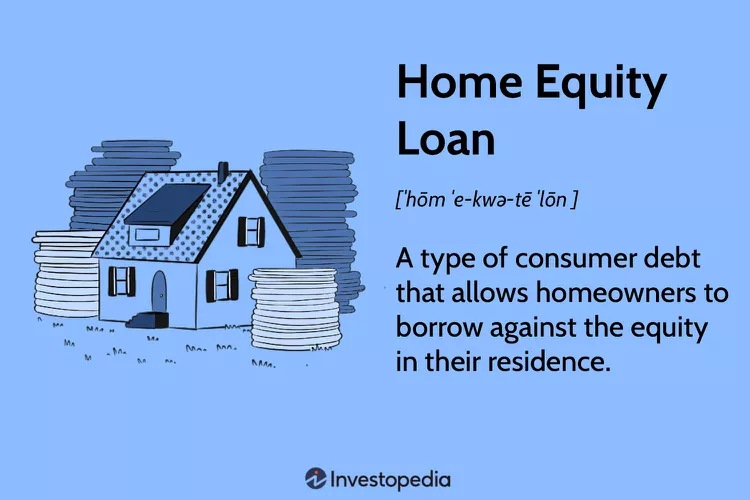
I’ve seen a distinct shift in how people approach borrowing. It’s no longer just about the “lowest number”—it’s about the total cost of capital over time. In this comprehensive guide, we will break down the current landscape of home equity loan interest rates, how they differ from other products, and how you can optimize your financial profile to secure the best deal possible.
1. The 2026 Rate Snapshot: Where We Stand Today
As of April 28, 2026, home equity loan interest rates have reached a plateau. The national average for a 15-year fixed-rate home equity loan is currently hovering around 7.91% to 8.03%. This represents a significant stabilization compared to the volatility of 2024 and 2025.
While these home equity loan interest rates are higher than the historic lows of a few years ago, they remain much more attractive than unsecured borrowing. For comparison, the average credit card interest rate in 2026 is still well above 22%. By utilizing home equity loan interest rates, you are effectively trading high-interest debt for a more manageable, fixed-rate installment plan.
2. Fixed vs. Variable: Choosing Your Strategy
When researching home equity loan interest rates, it is vital to distinguish between a standard home equity loan and a Home Equity Line of Credit (HELOC).
- Home Equity Loan: Provides a lump sum with fixed home equity loan interest rates. Your payment never changes.
- HELOC: Operates like a credit card with variable rates. While initial “teaser” rates might be lower, they can fluctuate based on the prime rate. +1
In the current economic climate, many homeowners are choosing the security of fixed home equity loan interest rates to protect themselves against any future inflationary spikes.
Comparison: Fixed Home Equity Loans vs. HELOCs (April 2026)
| Feature | Home Equity Loan | HELOC |
|---|---|---|
| Current Avg. Rate | 7.91% (Fixed) | 7.09% (Variable) |
| Rate Stability | Guaranteed for the life of the loan | Fluctuates with the Market |
| Payout | Lump Sum | Draw as needed |
| Best For… | One-time major expenses | Ongoing projects or emergencies |
Export to Sheets
3. How Lenders Calculate Your Specific Rate
Not everyone receives the same home equity loan interest rates. Lenders use a “risk-based pricing” model. To get the best home equity loan interest rates, you need to optimize three key metrics: +1
- Credit Score: A score of 760+ is the gold standard for top-tier home equity loan interest rates.
- Combined Loan-to-Value (CLTV): Lenders prefer your total debt (mortgage + home equity loan) to be below 80% of your home’s value.
- Debt-to-Income (DTI): Ideally, your monthly debt obligations should be less than 36% to 43% of your gross income.
4. The Impact of Geopolitics on Your Wallet
Why are home equity loan interest rates sitting at 8% instead of 5%? In 2026, global stability plays a massive role. The ongoing tensions in the Middle East have kept energy prices elevated, which in turn keeps the Federal Reserve cautious about cutting the benchmark rates that influence home equity loan interest rates.
As long as the Fed maintains a “higher for longer” stance to ensure inflation remains at the 2% target, home equity loan interest rates are expected to stay within the 7.5% to 8.5% corridor for the remainder of the year.
5. Regional Variations: Why Location Matters
While we discuss national averages, home equity loan interest rates can vary significantly by state. Credit unions and community banks in the Midwest often offer home equity loan interest rates that are 0.25% to 0.50% lower than national commercial banks.
Always check with a local institution before signing. Sometimes, a smaller bank’s desire to grow their local portfolio can lead to highly competitive home equity loan interest rates that you won’t find on a national search engine.
6. The Tax-Deductibility Factor
A major advantage of home equity loan interest rates is the potential tax benefit. According to current 2026 tax laws, the interest paid on a home equity loan is generally deductible if the funds are used to “buy, build, or substantially improve” the home that secures the loan. This effectively lowers your “real” home equity loan interest rates once you factor in your tax savings.
7. How to Spot the Best Offers
Lenders often use teaser home equity loan interest rates to capture search traffic. When you land on a page, look for the “Disclosure” or “Terms” link.
The real home equity loan interest rates you’ll pay are often 1% to 2% higher than the headline if you have a credit score under 740. True authority in a lender comes from transparency—if they hide their home equity loan interest rates calculator, they might be hiding higher fees too.
Frequently Asked Questions (FAQs)
What are the current home equity loan interest rates for April 2026? The national average is approximately 7.91% for a 5-year term and 8.03% for a 15-year term.
Is it better to get a personal loan or a home equity loan? Home equity loans generally offer much lower interest rates than personal loans because they are secured by your home. However, personal loans are faster to close and don’t put your property at risk.
Will home equity loan interest rates go down in 2027? Most analysts predict that home equity loan interest rates will only see significant decreases if the Federal Reserve feels confident that inflation has been permanently defeated. Current forecasts suggest a very slow decline starting in mid-2027.
How much equity do I need to qualify? Most lenders require you to keep at least 15% to 20% equity in your home after the loan is taken out.
Can I get fixed home equity loan interest rates for 30 years? While 10-year and 15-year terms are the most common, some specialized lenders do offer 20-year and 30-year fixed home equity loan interest rates, though they typically come with a slight rate premium.
Final Thoughts for 2026 Homeowners
Navigmortgagerefinancerates.comating mortgagerefinancerates.com requires a balance of market knowledge and personal financial discipline. While the rates today aren’t the “free money” of the past decade, they represent a stable and useful tool for building long-term wealth through home improvement or strategic debt management.
Don’t be afraid to shop around. A difference of just 0.5% in home equity loan interest rates can save you thousands of dollars over the life of the loan. Optimize your credit, verify your home’s value, and choose the term that fits your monthly cash flow. The 2026 market is full of opportunity for those who know where to look.